
The Silent Abdication
#2180

We spend a lot of time worrying about when the machines will take over. We debate whether AI can feel empathy, whether it can be ethical, or how to make it “more human.”
But the real crisis isn’t how human the machines are becoming. It’s how machine-like we already are.
We are caught in a quiet, massive abdication of our most defining feature: the capacity to take responsibility, which is just another way of saying the capacity to feel pain.
Because an AI can optimise, correct its code, and minimise error rates, but it cannot feel the weight of a consequence. If it makes a mistake, it doesn’t lie awake at night. It doesn’t feel the sting of regret when it fails. It has no skin in the game. It doesn’t care about responsibility because it cannot feel the vulnerability of a bad choice.
Responsibility is heavy.
And sometimes, it hurts.
So, we build systems to escape it. In business, that is the exact function of bureaucracy—it acts as an analogue algorithm. It creates spatial, temporal, and linguistic distance between the person making a decision and the human being who has to live with the fallout. We hide behind protocols, metrics, and standard operating procedures so we can say, “I had no choice.”
But it’s just the ultimate illusion. We delegate the decision to protect our egos, but we cannot delegate the visceral consequence. Machines don’t bleed when a budget is cut, or an algorithm misses the mark. Humans do. The pain is still there, and it’s still ours to feel.
When we let our fear of discomfort drive us to hide behind a process or a prompt, we choose the safety of the machine. But when you numb the capacity to feel pain—your own or someone else’s—you numb the capacity to feel anything at all.
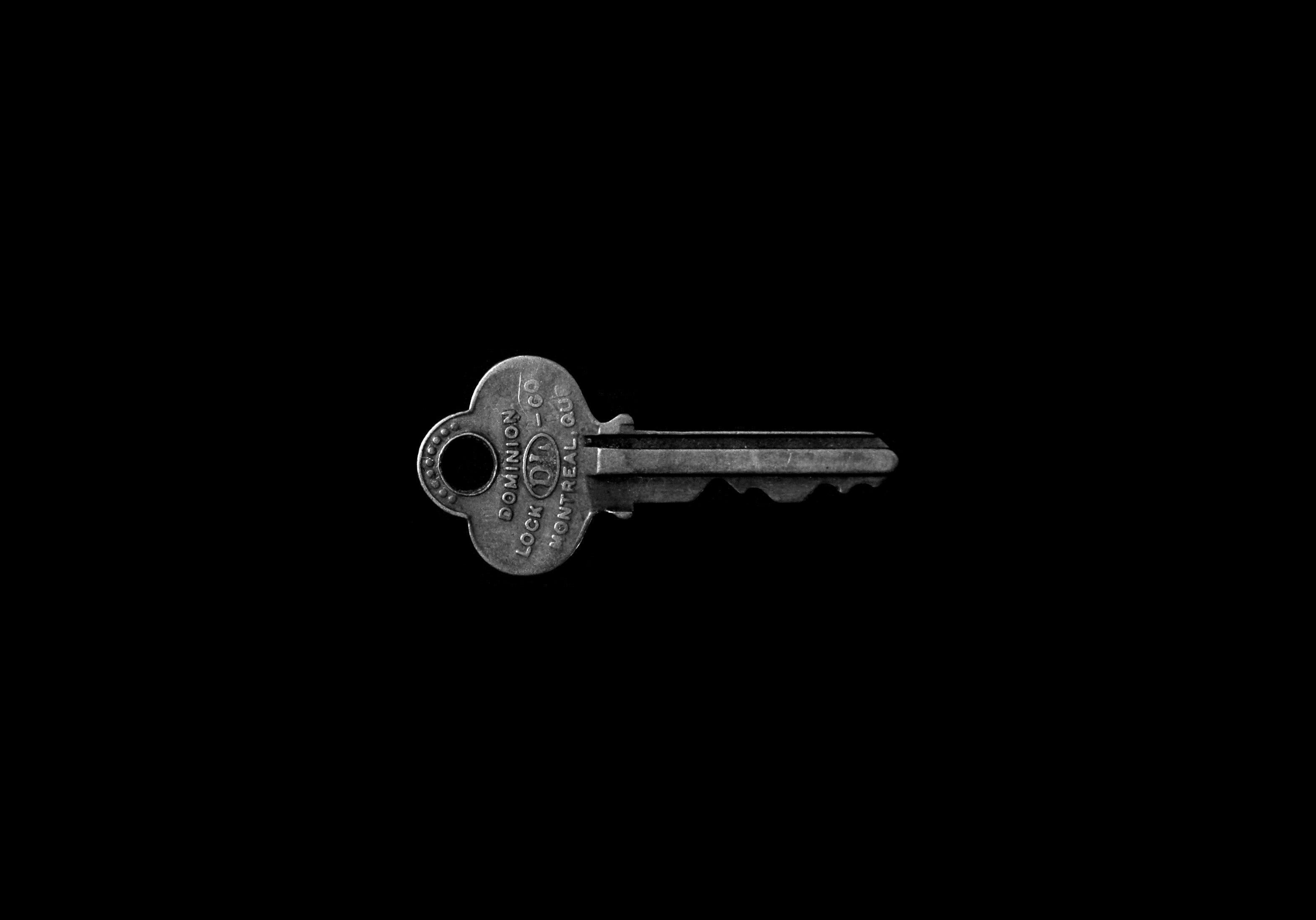
What if the machines aren’t conquering us? What if we are just handing over the keys because holding them hurts?