

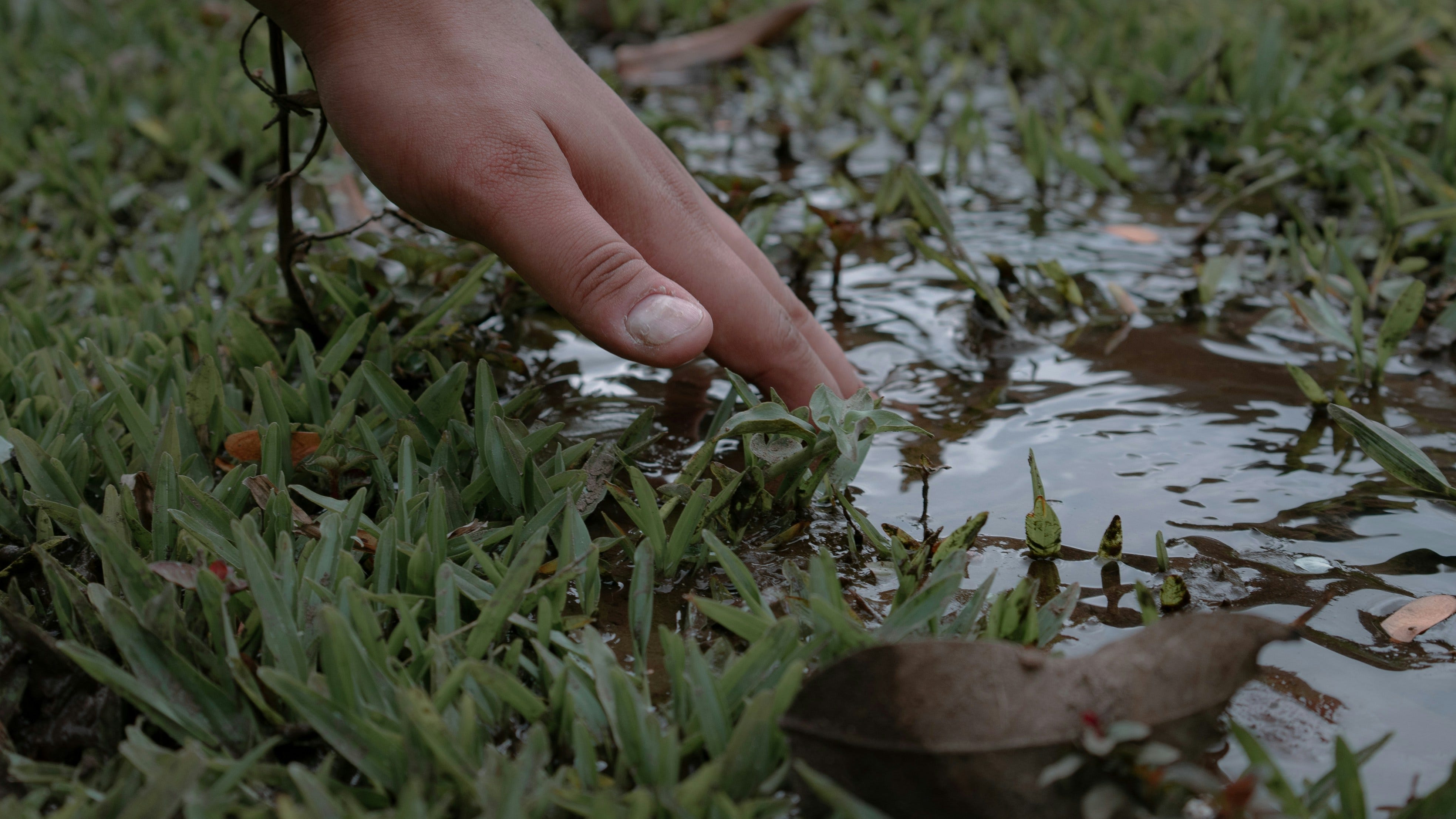
I observe the soil after yesterday’s storm. The ground was dry after weeks of heat, and when the storm finally broke, the water just rolled off the surface. The rain came all at once, but the soil lacked the structure to absorb it. Tomorrow, it’s almost dry again.
I often look at my life through that same agricultural lens. I do my best to pave the terrain, craving linearity, order, and predictability. I design controlling systems, build neat tables, collect data, and chase homeostasis; that biological pull to keep everything safe, stable, and exactly the same. The brain is a prediction engine, after all. To the brain, predictability means survival.
Yet, there is that other side of me.
The unquiet part.
The part that seems drawn to disruption, almost magnetically, to the point of wondering if I am creating my own frictions just to feel something move. Just to feel alive. For years, it felt like a flaw; a self-sabotaging bug in the software that refuses to let a good, quiet rhythm settle.
But it isn’t a bug. It is the evolutionary instinct seeking homeodynamics; the capacity to stay alive not by standing still, but by adapting through constant change.
If we give the brain the absolute control it demands, we might feel safe, but we quickly feel inert. Growth does not happen in equilibrium; it happens at the edge of chaos, where old patterns break down so new depth can take root.
We are not broken for feeling this internal push and pull. We are simply human, caught in the quiet, perpetual friction between the safety of the fortress and the vitality of the open field.
The goal was never to eliminate the tension or force a flat line across the terrain. The work is simpler, yet far more demanding: the daily, conscious practice of taming the edge.
Beautiful