
Sorry, You're Biased
#2206

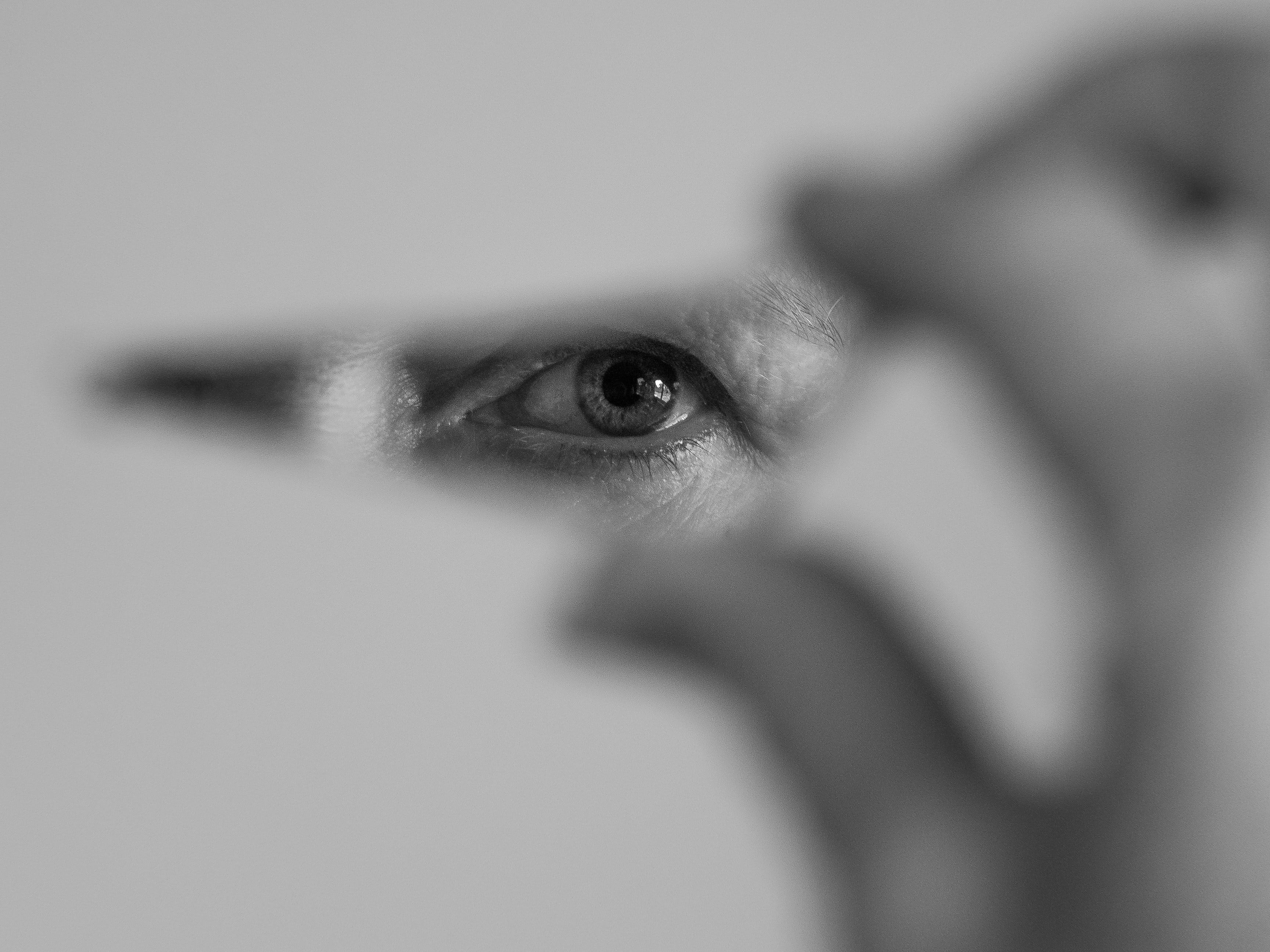
Believe it or not, whatever you think, say, choose, or do is biased.
If you have a human brain, you rely on heuristics—cognitive shortcuts developed to process an overwhelming stream of information quickly. Those shortcuts are biases. They aren’t inherently “broken”; they are simply how the brain makes sense of a complex world.
So, you’re biased. Everyone is. No exceptions.
Yet, I often hear people say things like “let’s have an unbiased conversation” or “I don’t talk with biased people.”
Here’s the funny thing: if you believe you are unbiased, you are most likely a victim of the Bias Blind Spot. Coined by psychologist Emily Pronin, this is the systematic tendency to spot cognitive biases in others while failing to see them in oneself. In research studies, over 85% of participants rated themselves as less biased than the average person—a statistical impossibility.
This happens because of the Introspection Illusion. When we evaluate our own judgment, we look inward at our conscious motives and intentions. Because cognitive biases operate beneath conscious awareness, our internal check comes back empty. We conclude, “I don’t feel biased, so I must not be.” When evaluating others, however, we look at their outward behaviour and infer bias instantly.
That leads to what social psychologist Lee Ross calls Naive Realism: the unshakeable belief that “I see the world as it truly is, neutrally and objectively.” Under naive realism, anyone who agrees with you is rational, and anyone who disagrees must be misinformed, lazy, or biased.
Kind of the perfect recipe for conflict, isn’t it?
Funny enough, studies show that higher cognitive ability doesn’t eliminate the bias blind spot. In fact, highly analytical thinkers are often just better at constructing clever post-hoc rationalisations for choices their subconscious mind made automatically.
So, let’s begin to acknowledge that we are all biased. It’s an inherent part of human perception, and accepting it is the foundation of genuine intellectual humility.
I bet it will make all our interactions way more creative and inspiring.